Calling Canada from the US is one of the simplest “international” calls you can make because Canada and the United States share the North American Numbering Plan (NANP). In practice, that means you dial Canada almost the same way you’d dial a different US state: 1 + area code + 7-digit number.
This guide walks you through the exact dialing format (with examples), what to check before you place the call, a Canada area code cheat sheet, common problems and fixes, and a few ways to keep costs low.
Quick answer: how to call Canada from the US
To call Canada from the US, dial:
1 + Canadian area code + 7-digit local number
Example: If the Canadian number is (416) 555-0123 (Toronto), you dial:
1-416-555-0123
You typically do not need an exit code like 011 when calling Canada from the United States because Canada is part of the NANP.
Before you call: 3 things to check
A lot of “my call won’t go through” issues come down to small, fixable details. Before you dial, confirm these three items.
-
Make sure international calling is enabled on your plan
Even though Canada dialing uses 1, your carrier may still treat it as an international destination depending on your plan and billing rules. If your call fails immediately, or you get a recording about restrictions, check whether your plan includes Canada calling or requires an add-on.
If you’re calling from a business phone system (VoIP) or a calling app, also confirm your account has outbound international calling enabled.
-
Confirm whether you’re calling a mobile number or landline
For Canada, the digits you dial are usually the same for mobile and landline: 1 + area code + number.
The difference is less about the dialing format and more about:
-
Whether your plan charges different rates for certain destinations
-
Whether the receiving number has special routing or screening enabled
-
Whether your call quality changes due to network conditions
-
Double-check the area code
Canada has many area codes, and new overlays are common (multiple area codes serving the same region). Using the wrong area code is an easy mistake—especially if you saved an old contact or copied a number without verifying it.
How to call a Canadian mobile number from the US (step-by-step)
Calling a Canadian cell phone number from the US is straightforward:
-
Dial
1(Canada’s country code under NANP). -
Dial the 3-digit Canadian area code.
-
Dial the 7-digit local number.
That’s it. If you can dial a US number long-distance, you can dial Canada—just make sure you include the correct Canadian area code.
Tip (phones with “+”): Many phones let you store numbers as +1 (area code) (number). The + indicates “use the international access method for this device/network,” and +1 still routes to NANP destinations. This can be convenient if you travel or switch SIMs.
How to call a Canadian landline number from the US (step-by-step)
-
Dial
1. -
Dial the area code.
-
Dial the 7-digit local number.
011 first, it may still work in some setups, but it’s not the typical (or simplest) approach for Canada under NANP.Examples: calling Canada from the USA
Example 1: Call Toronto from the US
Toronto commonly uses area code 416 (and also overlays like 647/437). A Toronto number might look like:
(416) 555-0123
Dial:
1-416-555-0123
Example 2: Call Ottawa from the US
Ottawa often uses area code 613 (with overlays in the region).
Dial:
1-613-XXX-XXXX
Example 3: Call Vancouver from the US
Vancouver commonly uses 604 (with overlays like 778/236 in BC).
Dial:
1-604-XXX-XXXX

Canada area codes: quick reference (popular destinations)
Canada has many area codes, and overlays are common. If you’re calling a major city, these are some of the most frequently seen codes.
| City / Region (Common) | Common Area Code(s) |
| Toronto, ON | 416 (also 647, 437) |
| Ottawa, ON | 613 |
| Montreal, QC | 514 (also 438) |
| Vancouver, BC | 604 (also 778, 236) |
| Calgary, AB | 403 (also 587, 825) |
| Edmonton, AB | 780 (also 587, 825) |
| Winnipeg, MB | 204 (also 431) |
| Halifax, NS | 902 (also 782) |
Because overlays can change and expand, the most reliable approach is simply to use the area code provided with the phone number (the first 3 digits in parentheses in North America).
Are calls to Canada expensive?
Often they’re not—but it depends on your provider and plan.
Some US mobile plans include calling to Canada (and sometimes Mexico) at no extra charge, while others treat Canada as an international destination billed per minute. Business VoIP services may charge per minute, offer bundles, or include Canada in certain packages.
What affects the cost of calling Canada
-
Your carrier plan: Whether Canada calling is included or requires an add-on.
-
Type of service: Mobile carrier vs landline vs VoIP.
-
Whether you are roaming: If you’re physically traveling, roaming charges can change the equation.
-
Calling method: Standard cellular minutes vs Wi‑Fi calling vs app-based calling.
How to call Canada for free (or at least cheaper)
-
Use Wi‑Fi calling (when it’s available)
-
Better call stability indoors
-
Fewer dropped calls in low-signal areas
-
Use VoIP Services
-
You make frequent, longer calls
-
You need calling features (call recording, routing, multiple lines, etc.)
-
You want a consistent experience across devices
-
Get a Second Phone Number for Hassle-Free Cross-Border Calling
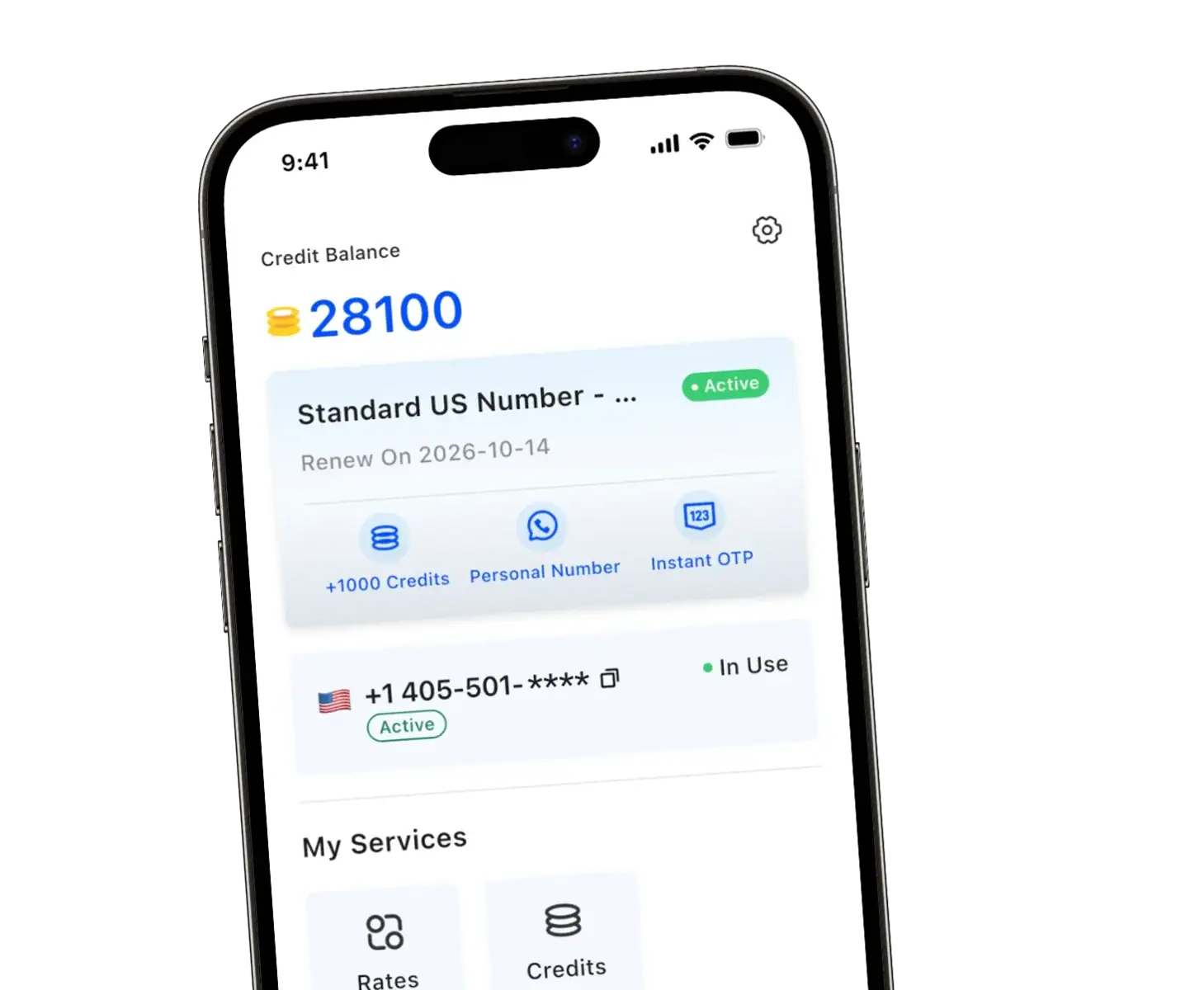
If you regularly call across the border, upgrading your setup with a dedicated virtual line is the smartest move. With TrueNumber, you instantly get a real US phone number that operates without a SIM card, contracts, or hidden fees. The app includes crystal-clear Wi-Fi calling to the USA, Canada, and Mexico. No expensive roaming charges.
Beyond just saving money, this service allows you to maintain a professional boundary for business communications or protect your personal privacy when dating, renting, or shopping online. You can choose your preferred local area code and get set up in under 60 seconds.
Download TrueNumber today to separate your work and personal life while keeping your cross-border calls affordable.
Common problems when calling Canada (and how to fix them)
Problem: “My call won’t connect”
-
Re-check the dialing format: You should dial
1 + area code + number. -
Confirm the number has 10 digits (plus the leading
1): Missing a digit is surprisingly common. -
Check if international calling is blocked on your line/account: Some plans block international by default.
-
Try the
+1format: If you’re calling from an app or VoIP client,+1can work more reliably than just1. -
Restart your phone / toggle airplane mode: If you’re on cellular, this can refresh your connection.
Problem: “I’m calling a toll-free number and it doesn’t work”
-
Look for a local (geographic) alternative number for the business.
-
Use their international contact number (many companies list one).
-
If it’s a customer support line, try chat/email as a backup.
Problem: “Do I need a trunk code or special prefix?”
In many countries you must drop a leading 0 (a “trunk” prefix) when dialing internationally. Canada’s NANP format avoids most of that complexity for US callers, which is part of why it’s so easy. Still, some guides mention trunk codes as a general concept for international calling, so it’s understandable if you’re unsure.
Rule of thumb: If you’re dialing a standard Canadian number in NANP format, use 1 + area code + 7-digit number.
Final recap
To call Canada from the US, the standard dialing format is 1 + area code + 7-digit number, and you generally don’t need 011 because Canada is in the NANP.
If your call fails, the fastest fixes are usually checking international calling permissions on your plan, confirming the area code, and trying the +1 format in apps. If you call Canada often, exploring Wi‑Fi calling or a VoIP/ Second Number Provider can help you save money and keep your calling workflow consistent.
FAQs
Do I dial 011 to call Canada from the United States?
1 + area code + number, not 011.What is Canada’s country code?
1 (shared across NANP countries/territories).Is calling Canada from the US considered international?
Should I dial +1 or 1 when calling Canada from the US?
1 is the standard NANP long-distance prefix in the US/Canada system, while +1 is often used in mobile phones and apps to represent the same country code in an internationally consistent format.