Phone calls don’t need old-fashioned phone lines anymore. A VoIP number (Voice over Internet Protocol) is a phone number that uses the internet to make and receive calls instead of traditional phone lines. You can use it on your computer, smartphone, or desk phone from anywhere with internet access.
This means you’re not stuck at one desk or location to answer your business calls. VoIP numbers work differently than regular phone numbers, and they come with features that can save you money and make your work easier.
We’ll talk about what VoIP numbers are, how they actually work, and what makes them useful for your business. You’ll also learn how to get one set up and how to manage it.
What Is a VoIP Phone Number?
A VoIP number lets you make and receive calls using the internet instead of traditional phone lines. It works like a regular phone number but offers more flexibility and features.
Core Definition and Purpose
A VoIP (Voice over Internet Protocol) number is a virtual phone number that uses your internet connection to handle calls. You can use it on your smartphone, computer, tablet, or IP phone. The number isn’t tied to a physical location or landline like traditional phone numbers.
When you make a call, your voice gets converted into digital data packets that travel over the internet. These packets reach the other person and turn back into voice audio. This process happens instantly, so your conversations sound clear and natural.
How VoIP Numbers Differ from Regular Phone Number
Traditional landlines need physical phone lines and work through the old telephone network. VoIP phone numbers only need an internet connection.
You can take your virtual phone number anywhere. Traditional phone numbers stay connected to one physical location. A softphone app on your device lets you answer calls from any place with internet access.
Different Types of VoIP Numbers
You can choose from several VoIP number types. Local numbers have area codes that match specific regions. Toll-free numbers start with prefixes like 800 or 888. Vanity numbers spell out memorable words.
How VoIP Number Works
VoIP numbers convert your voice into digital packets that travel over your broadband internet connection instead of traditional phone lines. Your call quality depends on having a stable internet connection and proper network setup.
Underlying VoIP Technology and Protocols
When you make a call with a VoIP number, your voice gets converted into digital data packets through packet switching. These packets travel over your broadband internet connection using protocols like RTP (Real-time Transport Protocol).
This is different from the PSTN (Public Switched Telephone Network), which uses circuit switching and requires physical phone lines. Your VoIP system breaks down voice signals into small data packets, sends them across the internet, and reassembles them at their destination.
Call Routing and Device Compatibility
Your VoIP number works across multiple devices without being tied to one location. You can receive calls on your smartphone, laptop, desk phone, or tablet using the same number.
The system routes incoming calls to your chosen devices through your provider’s network. You control call routing through a softphone interface that looks like a phone keypad on your screen.
Ensuring Call Quality and Reliability
Call quality depends heavily on your broadband internet connection and Quality of Service (QoS) settings. A stable internet connection with sufficient bandwidth prevents choppy audio and dropped calls.
Network monitoring helps identify issues before they affect your calls. Your provider manages most reliability concerns, but you need consistent internet speed to maintain clear audio.
Key Benefits and Features of VoIP Numbers
VoIP numbers help you save money while giving your business more ways to communicate and work from anywhere. They cost less than traditional phone lines and include features that make business communication easier.
Cost Savings and Flexibility
You’ll cut your phone costs in half when you switch from landlines to VoIP. Monthly plans run $15 to $40 per user and include unlimited calling. You won’t need to buy expensive equipment or pay for installation and maintenance.
You get flexibility too:
- Add phone numbers instantly
- Scale up or down based on your needs
- Pay only for what you use
- Use existing devices
Top Features for Businesses
Your VoIP number includes tools that landlines can’t offer:
Communication Features:
- Call forwarding and recording
- Auto-attendant and IVR menus
- Voicemail-to-email and transcription
- Call queues for busy times
- SMS messaging and online faxing
Advanced Tools:
- Video conferencing
- Team chat and messaging
- CRM integrations
- Shared lines across departments
Mobility and Remote Work Advantages
You can answer calls on any device with internet access. Your team can work from home, the office, or anywhere else. The same phone number works on your smartphone, laptop, and tablet. This makes remote work simple and keeps your team connected.
Getting and Managing a VoIP Number
Choosing a VoIP Service Provider
You’ll want to compare voip providers based on pricing, features, and customer satisfaction. Popular voip service providers like Nextiva and Vonage offer different plans for businesses and individuals.
Check what number types each voip number provider supports. You might need local voip numbers, toll-free voip numbers, or international voip numbers depending on your goals. Some providers also offer vanity voip numbers with memorable digits.
Look for features like international calling rates, mobile apps, and call analytics. Read reviews and test customer support before switching to voip.
A Better Alternative: Get a Real Second Phone Number
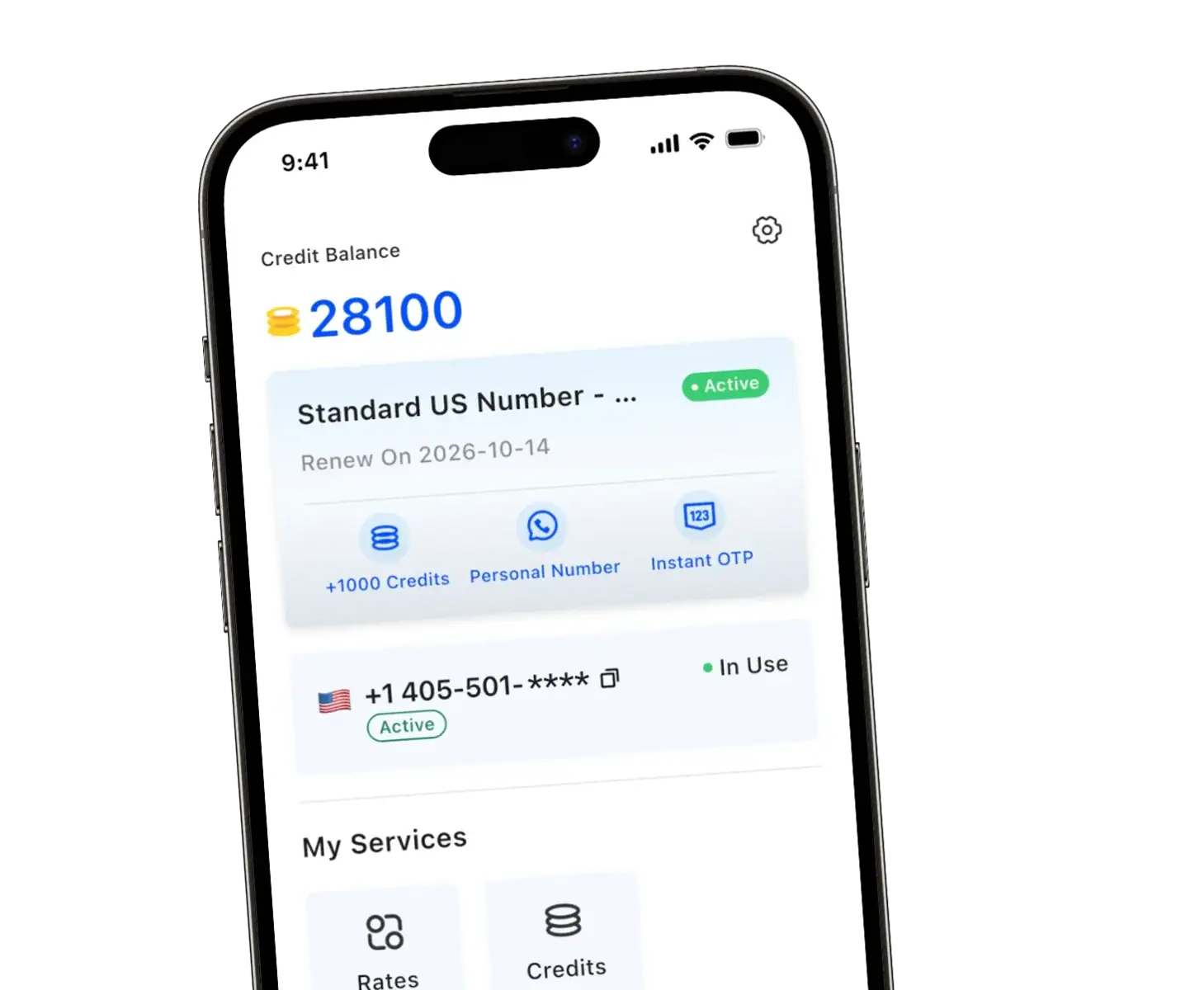
While VoIP offers flexibility, its quality depends entirely on your internet connection. For those who want the privacy of a separate number with the reliability of a traditional phone call, there’s a better solution: the TrueNumber app.
TrueNumber is not a VoIP service. It gives you a real second phone number that works directly through your phone’s SIM card. This ensures every call is crystal-clear and dependable, just like your main number, without needing an internet connection. With a second phone number, you can make anonymous calls, send secure texts, and manage multiple numbers to keep your personal life private, all with the quality you can trust.