Need a reliable line for work or personal privacy? Choosing between a virtual number and a traditional phone number can feel confusing. This guide breaks down how they work, their pros and cons, and why TrueNumber beats standard VoIP number services.
What is a Virtual Phone Number?
A virtual phone number is a telephone number that isn’t tied to a specific phone or physical SIM card. Instead, it uses Voice over Internet Protocol (VoIP) technology to transmit audio data.
Because it works over the internet, a virtual number gives you incredible freedom. You can make and receive calls on any internet-connected device, including smartphones, laptops, and tablets.
Key benefits of a virtual number:
- Functions seamlessly without a physical phone line.
- Perfect for remote work and global distributed teams.
- Easily forward calls to your main mobile number when you are traveling.
- Often includes advanced features like voicemail-to-email and call routing.
With a virtual phone service, your office is wherever you have an internet connection. It is the ultimate tool for modern business flexibility.
Understanding the Traditional Phone Number
A traditional phone number is linked directly to a physical phone line or a cellular SIM card. It relies on the public switched telephone network (PSTN) and local cell towers to connect your calls.
When you use a traditional phone system, you depend heavily on a specific phone carrier. Your communication line is physically wired to a desk phone or strictly linked to the hardware of your mobile phone.
Key traits of a traditional phone:
- Requires dedicated physical hardware.
- Call quality relies on cellular or landline reception, not Wi-Fi.
- Tied to a specific geographic location or local area code.
- Harder and more expensive to scale for growing business needs.
For decades, the regular phone was the only way to communicate. Today, however, hardware limitations make it less appealing for agile companies.
Virtual Numbers vs Traditional: The Core Differences
When evaluating virtual numbers vs traditional options, flexibility and cost are the biggest separators. A virtual phone service lets you manage your communications through software, completely freeing you from hardware constraints.
Let’s compare the two options side-by-side so you can easily see the contrast:
| Feature | Virtual Phone Number | Traditional Phone Number |
| Technology | Phone calls over the internet (VoIP) | Copper wires or cellular cell towers |
| Device Reliance | Use on any device (app-based) | Fixed to one physical phone or SIM |
| Setup Speed | Instant activation online | Requires physical installation or a new SIM card |
| Location | Global flexibility and reach | Tied to a specific local area code |
| Operating Costs | Generally lower, cheaper international rates | Often higher, especially for international calls |
| Feature Set | Advanced software features standard | Basic features, advanced options cost extra |
As the table shows, VoIP technology brings standard number services into the digital age.
The Verification Trap: Why a Standard VoIP Number Fails
Here is a critical challenge you must be aware of. If you try to use virtual phone numbers for app registrations, you will frequently get blocked. Most VoIP providers cannot reliably receive verification SMS messages.
Major platforms actively block these number types to prevent spam and fraud. As WhatsApp’s official help center states:
“You must use a supported phone number. Unsupported phone numbers include: VoIP, toll-free numbers, paid premium numbers, universal access numbers (UAN), and landlines (landlines are only supported on the WhatsApp Business app).”
This strict policy means a standard virtual mobile number, or a service like Google Voice, will typically fail to activate an account.
However, there is a powerful solution to this problem. TrueNumber can reliably accept verification codes.
Unlike a basic VoIP phone, our advanced system ensures your new number bypasses these rigid blocks. You can safely receive calls and SMS texts for crucial account verifications without missing a beat.
The Third Option: Get a Real Mobile Number with TrueNumber
While traditional lines lack flexibility and VoIP numbers get blocked, there is a powerful third option. You can now get the app-based convenience of a virtual tool combined with the authenticity of a real SIM card.
This is exactly where TrueNumber shines as a premium number provider. Instead of issuing easily flagged internet digits, we provide you with a genuine mobile number.
It is a real mobile number, but you manage it effortlessly through our cloud software. Because platforms identify it as a standard phone number, it completely bypasses strict VoIP filters.
Why TrueNumber’s real numbers beat standard VoIP:
- Guaranteed Verifications: Seamlessly receive SMS codes for WhatsApp, Telegram, and banking apps.
- No Extra Hardware: Use a real mobile line right from your existing smartphone.
- Premium Reliability: Experience the superior call quality of a genuine cellular network.
By bridging this gap, you gain the agility of a virtual app without sacrificing access to critical digital platforms.
Get Your Second Number Now
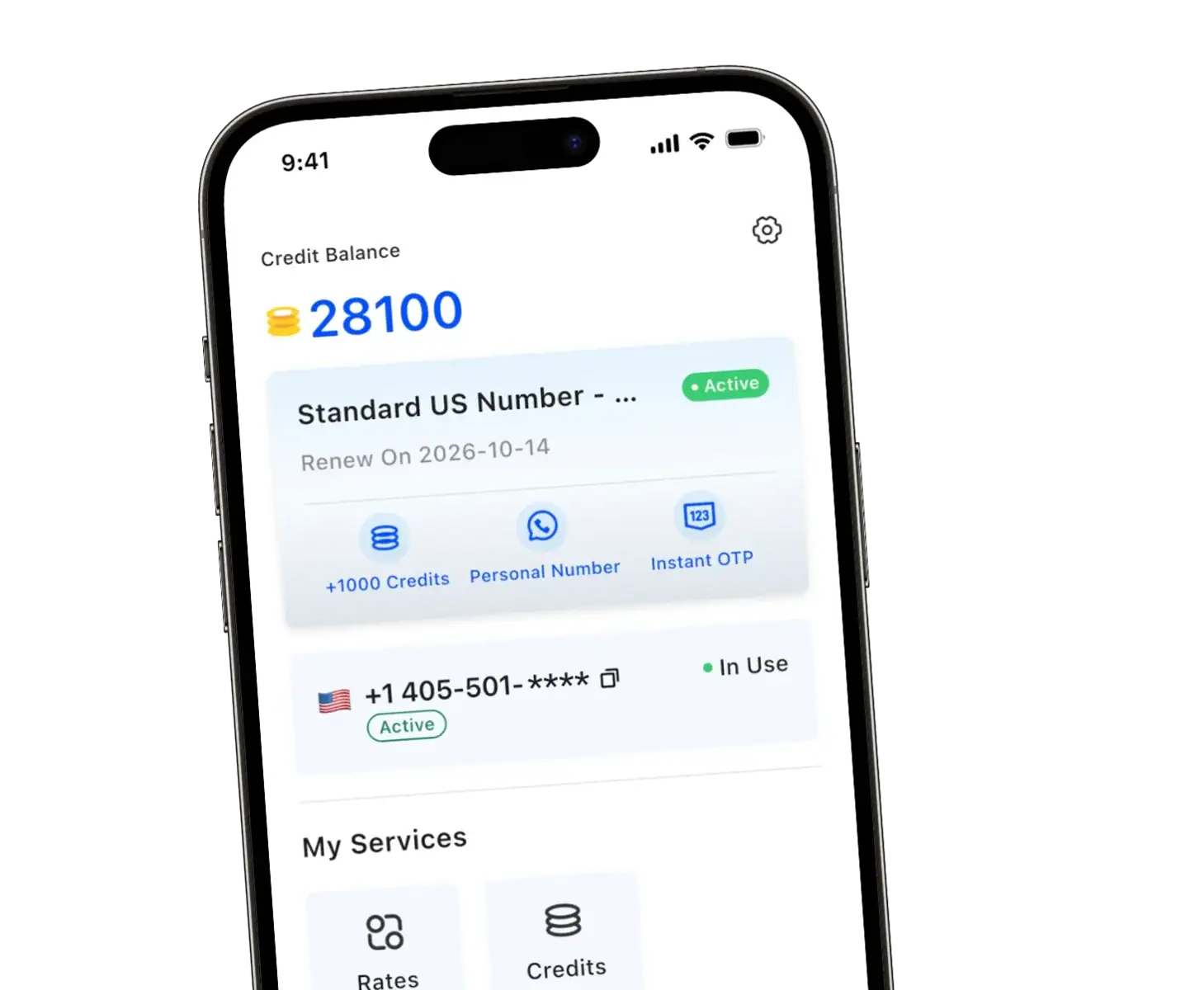
TrueNumber is a second phone number app designed to help you add a real U.S. number to your iPhone in seconds. You can use it for private calls, secure texts, verification, and multiple numbers on one phone. TrueNumber can also support freelancers, teams, and customer-facing use cases. Get the App now and bypass frustrating app verification blocks.
FAQs about Virtual Numbers vs Traditional
How do I get a virtual phone number?
It is incredibly simple. You just select a reliable virtual phone number provider, choose your desired area code, and download their software application. You can usually get a virtual line active in just a few minutes.
Can I keep my existing phone number?
Yes, absolutely! Through a standard process called number porting, you can transfer your traditional phone number away from your current phone carrier directly to a new virtual phone service.
Can a virtual number receive SMS?
While many basic VoIP services struggle with texts, a premium service offers full SMS capabilities. Remember, TrueNumber seamlessly handles SMS verifications for major platforms, overcoming the limitations of standard VoIP.
Do I need internet for a virtual mobile number?
Yes, VoIP technology strictly requires an active internet connection (Wi-Fi or cellular data) to function. However, many services allow you to set up a forward to a regular phone if you lose your internet connection.
Are virtual numbers safe to use?
Yes, they are highly secure. Top-tier providers use strong encryption to protect your data and voice traffic, making them just as safe, if not safer, than a standard phone line.
Can I have more than one number on a single device?
Definitely. One of the best features of a virtual system is that you can host multiple phone lines on one physical smartphone. This completely eliminates the need to carry around a separate work phone.