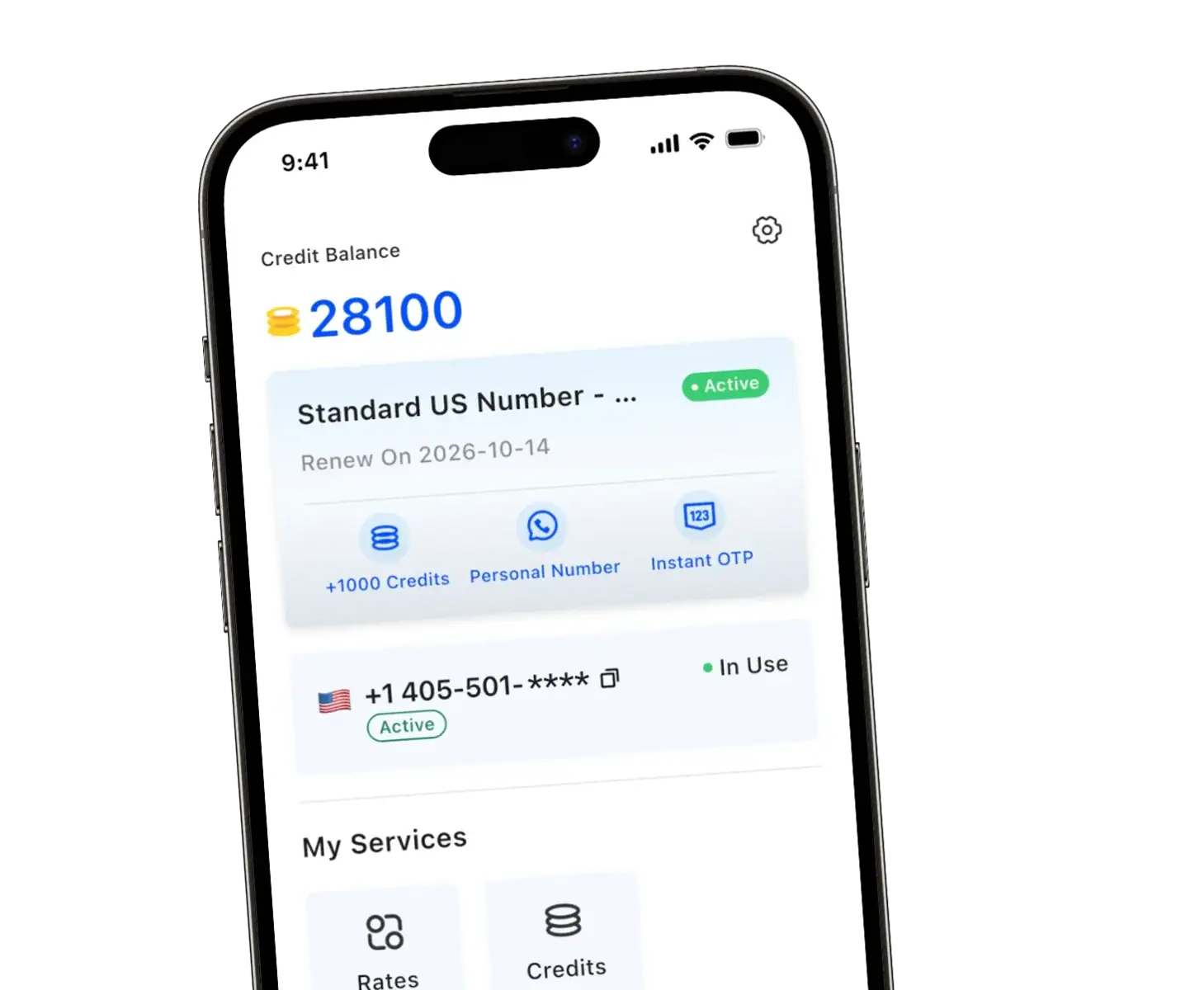
Your phone number can enter a new database with every signup, listing, delivery, or contact. A TrueNumber second number keeps those activities separate from the personal line protecting critical accounts.
How Social Media Platforms Spread Your Phone Number
You share it once. The recipient may then store it, match it to a profile, or pass it to service providers under its privacy policy.
Public listings create wider exposure. Search engines, data brokers, and automated scrapers can connect it with your name, address, workplace, or social profile.
Your contacts can spread it too. Meta explains that contact uploading may include names, email addresses, and telephone numbers belonging to people who do not use its products.
A breach adds another route. Copied records may be combined with other personal information, giving a scammer enough context to create convincing phishing attempts or targeted spam.
You cannot control every database. You can, however, decide which line enters them. That is where a dedicated second line becomes useful.
Protect Your Phone Number with a Second Number
A second number creates a boundary between your private identity and your public activity. You still receive calls, text messages, and supported login codes without repeatedly exposing your primary line.
The system is simple: reserve your primary line for trusted, high-security relationships and use the second line where exposure is more likely.
| Use your primary line for | Use your second line for |
| Your carrier account | Online shopping and delivery updates |
| Bank and financial recovery | Marketplace listings and buyer phone calls |
| Healthcare and government services | Dating and new social contacts |
| Family and close friends | Work inquiries and short-term projects |
| Critical long-term accounts | App registration and supported sign-in codes |
This separation limits the damage from one exposed listing or breached service. Unwanted callers reach the second line instead of the line connected to your bank, family, and carrier.
Why Use TrueNumber Instead of a Disposable Service?
Free public inboxes and short-lived virtual numbers can be shared, recycled, or lost. That creates privacy problems when you need to receive a reply or recover an account later.
TrueNumber provides a real US second phone number on your existing mobile phone. It supports two-way calls, texts, and codes from supported platforms without another physical SIM.
You control a consistent line instead of publishing your personal details or relying on a random public inbox. It works for both quick signups and ongoing conversations.
- Keep your personal line private: Other users and businesses see the dedicated line you choose to share.
- Stay reachable: Receive incoming communication and respond from the same dedicated identity.
- Separate conversations: Public, work, dating, and marketplace activity stays away from family messages.
- Avoid extra hardware: Manage the second line through the app on iOS or Android.
A second number is not anonymity. Services may still collect account and device information, and each platform controls whether it accepts a particular line.
Removing Your Phone Number from the Internet
A second line reduces future exposure. You should also clean up existing copies of your primary details.
- Search the digits in quotation marks with your name and city.
- Delete it from public profiles, old posts, business pages, and marketplace listings.
- Ask site owners to remove the details from pages you do not control.
- Submit opt-out requests to relevant people-search sites and data brokers.
- Check search results again every few months for new or restored records.
The FTC says people-search sites combine public records, social profiles, and broker data. Opting out stops some sales but does not delete the original public record.
Google’s Results about you can monitor search results for personal contact information. Removing a Google result does not remove the source page, so contact the publisher as well.
You can perform data removal manually or use a removal service to automate opt-out requests. Check its covered sites, rescan schedule, and reports before paying.
For fewer spam calls, you can also register an eligible personal line with the National Do Not Call Registry. It will not stop scammers or erase public records.
Build a Safer Second-Number Routine
A dedicated line helps only when you use it consistently. Decide which activities belong on each line before the next registration form appears.
- Download the app and activate your real US line.
- Use it for new public-facing accounts, listings, calls, and text conversations.
- Replace your personal line on existing low-risk accounts where the setting allows it.
- Keep access while an account or contact may still need the line.
- Block unwanted callers without disrupting communication on your primary phone.
Review app permissions at the same time. On iOS and Android, remove access to contacts when an app does not need the address book for a feature you use.
Do not publish the new line everywhere. Use separate second numbers for different purposes when practical, so one exposed channel does not trigger spam across your entire digital life.
Keep Security Separate from Privacy
A second number protects your personal phone number from unnecessary sharing. It does not replace strong account security.
- Use a unique password for every important account.
- Choose an authenticator or security key instead of SMS where available.
- Add a carrier PIN or port-out lock to reduce SIM swapping risk.
- Never send a verification code to an unexpected caller.
- Remove old numbers before a provider reassigns them.
CISA recommends a carrier PIN and multifactor authentication for carrier accounts. Act quickly if your primary phone suddenly loses service without explanation.
A VPN cannot remove leaked contact details, while spam blocking only filters incoming calls. Strong security, data removal, and deliberate line separation solve different parts of the problem.
FAQs about How Your Phone Number Spreads Online
Will a second number protect my personal line?
Yes, when you share it instead of your primary line. Websites and new contacts receive the dedicated line, keeping your main one out of that interaction.
Why choose a real US second line?
We provide a real US line for two-way calls, texts, and supported codes. It offers more continuity than a shared inbox or disposable burner service.
Can I remove my number from the internet completely?
You can reduce its visibility, but copies may remain in private databases, public records, old address books, and breached datasets. Continue monitoring after each removal.
Can a hacker use my phone number?
The identifier alone is usually insufficient. Combined with leaked passwords or identity data, it can support phishing, recovery abuse, or a SIM-swap attack.
Should I change my personal line?
Usually, start by cleaning public records and directing new activity to a second line. Changing the primary line also requires updating every critical account and trusted contact.
Stop Sharing Your Primary Line Everywhere
At TrueNumber, we provide a real US second number for private calls, texts, and supported verification. Get TrueNumber and reserve your personal line for trusted people and critical accounts.