Trying to set up a new account but your verification code never arrives? You are definitely not alone. Many platforms now reject VoIP or virtual digits to stop fraud. Let’s dive into why your virtual phone number fails during identity verification and how you can finally receive those important texts.
How VoIP and Virtual Phone Numbers Fail the Check
When you try to verify a new profile online, the system performs a quick background check. They want to ensure the phone number belongs to a real person. Unfortunately, a virtual phone number often triggers red flags.
These numbers rely on internet software rather than a physical SIM card. Because they are cheap and easy to generate in bulk, platforms view them with deep suspicion. If the system detects a virtual source, it will immediately halt the process.
This means the service won’t even attempt to send the text message. Your request is blocked before the verification messages ever leave their servers. You are left staring at your screen, waiting for an SMS that will never arrive.
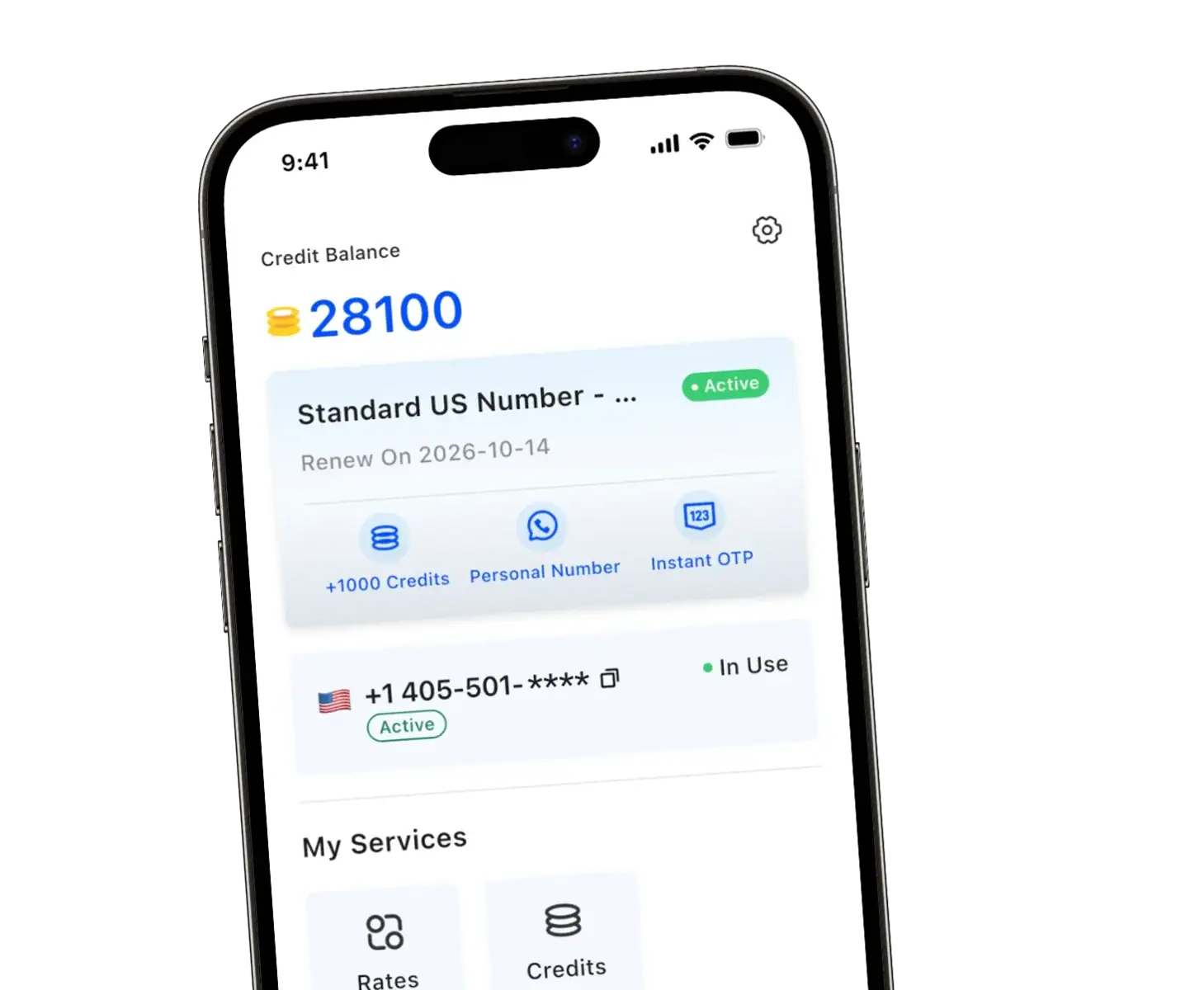
To avoid this headache, you need numbers backed by real, physical hardware. That is where a service like TrueNumber comes in, providing genuine mobile phone numbers that easily pass these security checks.
Why Networks Block SMS to Your Device
Sometimes, the app actually tries to send the message, but it gets lost along the way. Mobile networks play a huge role in SMS delivery. Carriers often categorize and filter traffic to protect users.
When a carrier spots traffic heading to a VoIP provider, they might reject it. Here are the main reasons why networks block these messages:
- Spam prevention: Carriers strictly filter automated texts to prevent volume abuse. VoIP numbers are often grouped with high-risk spam traffic.
- Routing errors: Virtual systems use complex API methods. This complicated routing can cause a severe delay or total delivery failure.
- Identity mismatches: A carrier can see that the number doesn’t tie back to a physical mobile device, causing a trust mismatch.
Because VoIP numbers don’t operate on standard cellular network signal pathways, verification codes easily get lost. You need a low-risk, reliable carrier to ensure your text comes through faster.
The Real Issue: Fraud, Abuse, and Trust Limits
Major platforms like Google, Microsoft, and Signal spend millions on security. They use advanced authentication systems to keep their ecosystems clean. To them, a VoIP number is a major security risk.
Bad actors frequently use virtual numbers to automate fake account creation. Because of this volume of abuse, platforms place a strict limit on numbers that don’t belong to a major mobile carrier.
To give you a better idea of how systems rate different numbers, take a look at this simple breakdown:
| Number Source | Trust Level | SMS Delivery Rate | Verification Success |
| Real Mobile SIM | High (Low-Risk) | Excellent | Near 100% |
| Standard VoIP | Low | Poor | Frequently Blocked |
| Toll-Free Numbers | Medium | Variable | Often Fails |
When you use a genuine mobile number, the platform trusts your identity. A virtual phone number, however, lacks the physical footprint required to build that trust.
The WhatsApp Example: Strict Number Policies
A perfect example of this strict policy is WhatsApp. They are incredibly clear about what types of numbers they allow on their platform. According to the official WhatsApp help center, you must strictly follow their guidelines to get an account. Here is their exact policy on the matter:
You must use a supported phone number. Unsupported phone numbers include: VoIP, toll-free numbers, paid premium numbers, universal access numbers (UAN), and landlines (landlines are only supported on the WhatsApp Business app).
This is exactly why so many standard virtual numbers fail. However, because TrueNumber provides real, supported numbers, our users can successfully receive WhatsApp verification codes without the usual hassle.
Get Reliable Verification with TrueNumber
You shouldn’t have to struggle to receive a simple text message. While other providers offer easily blocked VoIP lines, we do things differently. We focus on providing numbers that actually work.
With TrueNumber, you get access to a clean, reliable phone number. Because our numbers are backed by real SIM technology, platforms recognize them as genuine mobile devices. This ensures high SMS delivery rates.
Whether you need to verify a new profile or secure your personal data, our product is designed to pass the toughest checks. Stop wasting time with virtual lines that trigger errors, and get your real US number here.
FAQs about Why Virtual Phone Numbers Don’t Work for Verification
Why do verification messages delay or fail completely?
Delays and failures happen because mobile networks and apps filter traffic. If they detect a VoIP or virtual source, they often block the message to prevent spam or fraud. Carrier routing issues also contribute to lost texts.
How can I check my number provider?
Many online tools allow you to perform a carrier lookup. Just enter your phone number, and the system will tell you if it is classified as a mobile, landline, or VoIP number.
Is a mobile device required for SMS?
Technically, platforms want to see a physical SIM card attached to the number to verify low-risk users. However, with the right service provider like TrueNumber, you can get the benefits of a real mobile number without needing extra physical hardware yourself.
Can I avoid blocks by changing my provider?
Yes, absolutely. The key is to switch from a VoIP-based virtual number to a provider (e.g. TrueNumber) that offers genuine mobile numbers. This is the only reliable method to ensure your verification codes arrive consistently.